
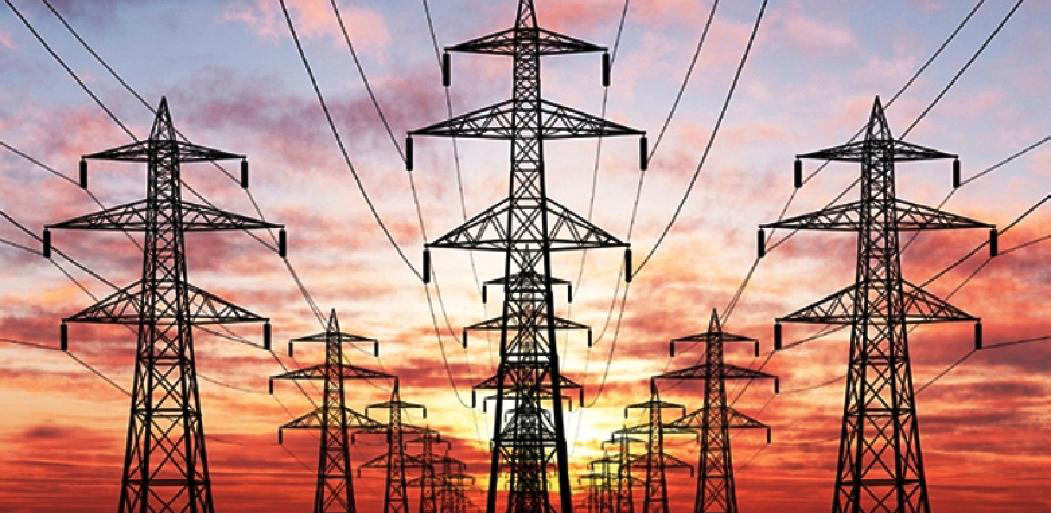
Myagdi: A remarkable development has taken place in the Narchyang area of Annapurna Rural Municipality-4 in Myagdi, where five hydropower projects, with a total generation capacity of 162 MW, have been successfully completed.
In addition to these operational projects, a 63.3 MW project is under construction, and two more projects, collectively totaling 173.14 MW, are in the planning stages.
According to Lok Bahadur Pun, the Chairperson of the Ward, the following hydropower projects are now up and running: the 5 MW Ghalemdi Khola, 42 MW Mristikhola, 38 MW Nilgiri-1, 71 MW Nilgiri-2, and 6 MW Relekhola. These projects have already begun contributing to the national grid.
Currently, the 66.3 MW Kaligandaki Hydropower Project is under development on the Kaligandaki River, which borders Narchyang, while groundwork for the 9.14 MW Super Ghalemdi Hydropower Project is set to begin soon. Moreover, the 164 MW Kaligandaki Gorge Hydropower Project, promoted by Kaligandaki Hydropower Limited, has its proposed powerhouse located in Narchyang.
Chairperson Pun emphasized that these hydropower developments have profoundly transformed Narchyang, fostering significant progress in infrastructure, economic growth, agriculture, and social well-being. “The increase in employment opportunities and local income has brought prosperity to nearly every household. Many people who had migrated to urban centers or abroad are now returning to their home villages,” he noted. The trend of migration has nearly ceased as a result of these improvements.
These hydropower projects have also played a crucial role in enhancing local infrastructure, such as roads, bailey bridges, and facilities for education and healthcare. Notably, a technical school offering hydro-engineering courses has been established. Tej Gurung, a local leader, mentioned that sectors like land compensation, trade, agriculture, animal husbandry, hospitality, and transportation have all flourished, further raising the living standards of the residents.
As per constitutional provisions, hydropower royalties are divided as follows: 50% goes to the federal government, while both provinces and municipalities receive 25% each. Narchyang was connected to the national road network in 2071 BS after the Mristikhola Project constructed a bailey bridge over the Kaligandaki River. This was followed by road access improvements made by the Nilgiri and Relekhola projects, which also paved the way for new tourist routes.
Locals have actively invested in shares of the Ghalemdi and Mristikhola projects, with the Nilgiri and Relekhola projects preparing to offer their shares to the community. To facilitate the transmission of power to the national grid, the Nepal Electricity Authority (NEA) set up a 220 kV substation at Dana in 2077 BS. This substation now links the electricity generated by the Ghalemdi, Mristikhola, and Thapakhola projects.
Pramod Shrestha, the operator of the Ghalemdi Khola Project and former Vice President of the Federation of Nepalese Chambers of Commerce and Industry, shared that the growing investor interest in hydropower development in the Kaligandaki region is partly due to the establishment of substations and transmission lines in Dana (Myagdi) and Khurkot (Parbat).



Comments