
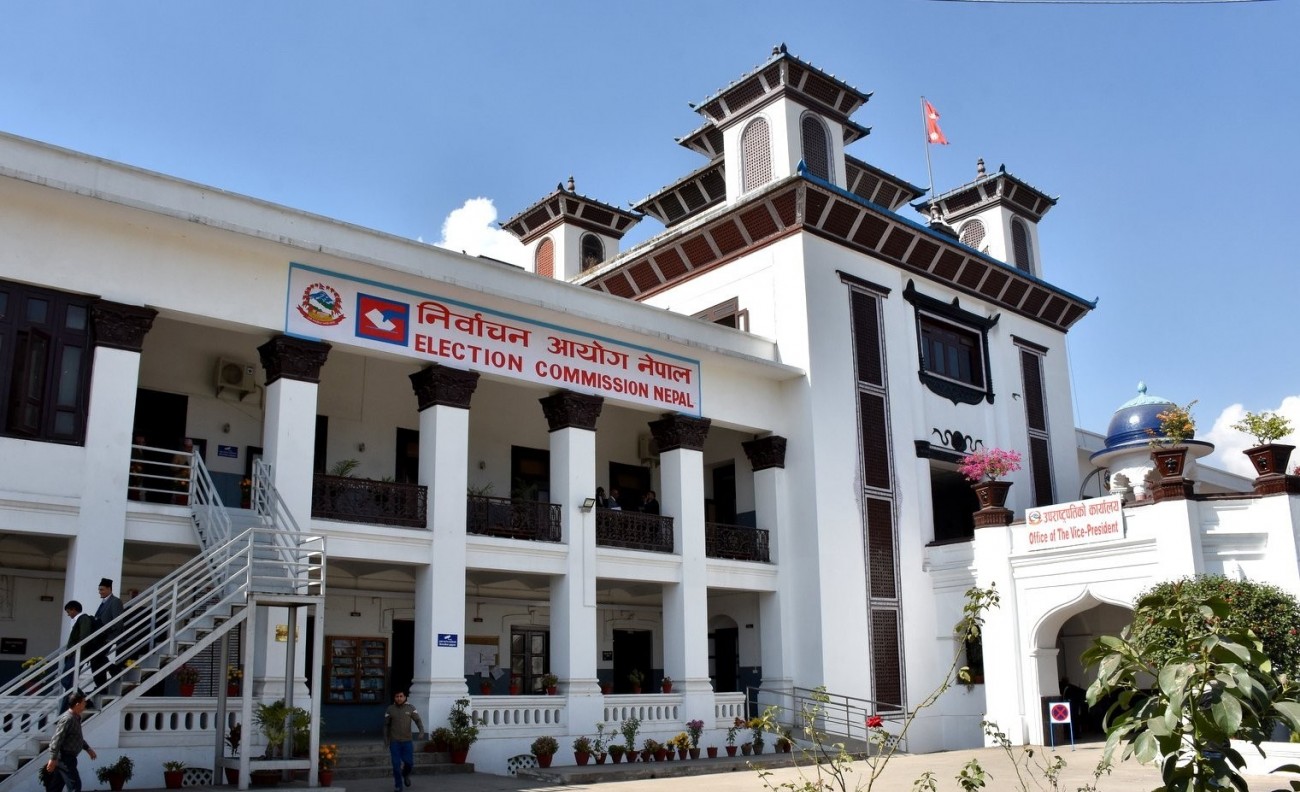
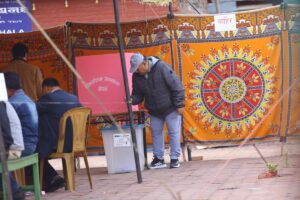
Kathmandu: With the election of members of the House of Representatives scheduled for Falgun 21, public interest has naturally grown regarding the roles and responsibilities of presiding officers deployed at polling centers. To address this, the Election Commission has clearly defined the duties, responsibilities, and powers of presiding officers.
According to the House of Representatives Member Voting Directive, 2082 issued by the Commission, once appointed, a presiding officer must participate in election-related training programs and verify and receive election materials.
The directive requires presiding officers to check and take custody of voter ID cards and other election materials related to the polling station. They must coordinate with assistant presiding officers, other staff, and security personnel assigned to their polling station, and report to the designated polling center.
They are required to arrive on time and set up the polling center. If, due to security concerns, geographical difficulties, or other reasonable causes, voting cannot be conducted at the designated polling station and an alternative station must be established immediately, the presiding officer must promptly inform the election officer.
Before the polling day, presiding officers must distribute voter ID cards at the polling center. They must assign duties to staff and volunteers deployed at the polling station and engage them in the voting process.
Before issuing ballot papers to voters, the presiding officer must sign the ballot papers. They must remain vigilant to ensure the voting process proceeds effectively and continuously monitor polling activities. On the day of voting, they are required to provide periodic updates on polling activities to the election officer.
On polling day, presiding officers must brief visiting mobile teams, observers, journalists, monitors, and security personnel about the polling situation. They must ensure full compliance with the election code of conduct and prevent any illegal activities.
Before voting begins and after voting is completed, they must prepare official records and securely seal the ballot boxes and other election materials before handing them over to the election officer.
The directive states that exercising authority in accordance with the Election (Offenses and Punishment) Act, 2073 and ensuring that elections are conducted in a clean, fair, and free manner are core duties of the presiding officer. (RSS)




Comments