Kathmandu: The main opposition party, the Nepali Congress, is set to select its Parliamentary Party leader on Friday. According to the election process that began on Thursday, nominations will be registered at midday today, followed by voting in the afternoon.
The party is also trying to choose the leader through consensus. If consensus cannot be reached, the leader will be elected through voting. The party has assigned responsibilities to General Secretary Pradeep Paudel and others to hold discussions with Members of Parliament on this matter.
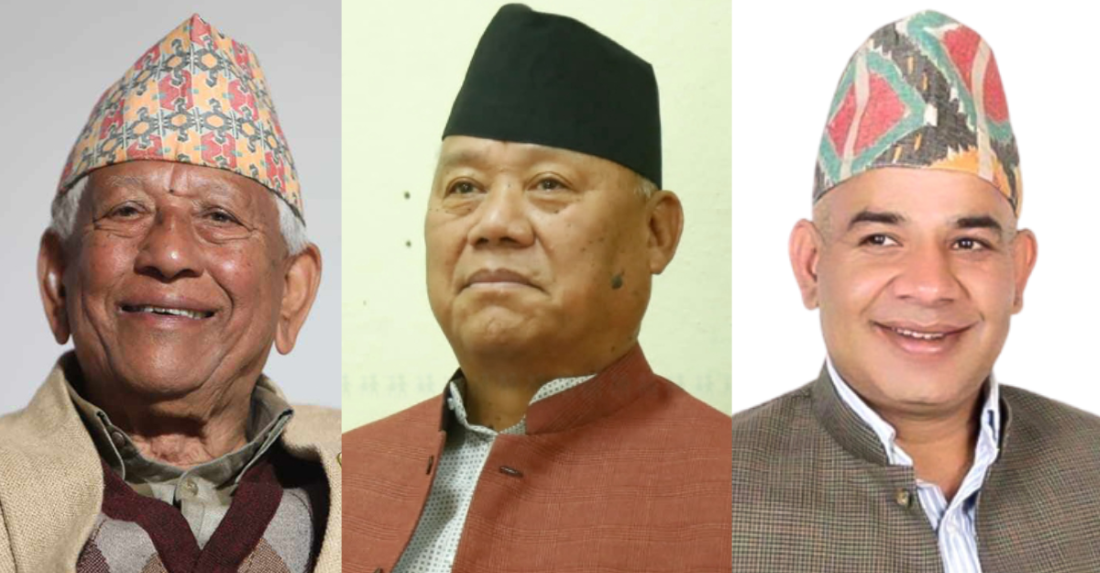
Former joint general secretaries Arjun Narsingh KC, Bhishmaraj Angdembe, and Mohan Acharya are the main contenders for the position. In the House of Representatives election held on Falgun 21, the Nepali Congress secured 38 seats through both direct and proportional representation systems.
“Although there are several aspirants for the parliamentary party leader, primarily three individuals have formally presented their candidacies. The party is working toward consensus, and if that fails, voting will take place tomorrow afternoon as per the election schedule,” said a party lawmaker.
Within the party, some lawmakers have also called for selecting the leader from among those elected through the direct electoral system. KC and Angdembe are Members of Parliament elected under the proportional representation system. Following the message of party reform and generational transformation emphasized during the special general convention, there is also a view that younger lawmakers should be brought forward.
Accordingly, younger leaders such as Yogesh Gauchan Thakali, Nishkal Rai, and Basana Thapa are also being considered as potential candidates for parliamentary party leader, the lawmaker added. However, discussions are also underway to appoint senior leaders as parliamentary party leader while assigning younger lawmakers to roles such as chief whip and whip.
“Discussions with the aspirants will continue until the nomination registration deadline,” the lawmaker said. “If consensus is not reached, the leader will be selected through a competitive election. The party has followed this practice of electing its parliamentary party leader through competition in elections since 2008.”