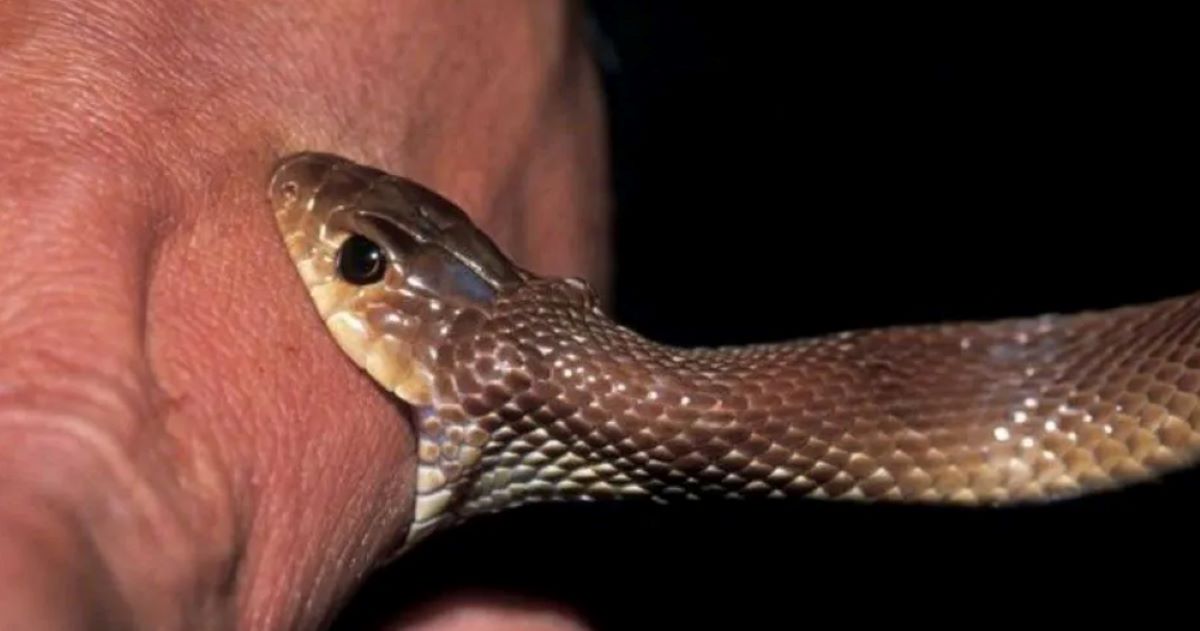
Kanchanpur – The government has announced the expansion of treatment services in high-risk snakebite areas across Sudurpashchim Province, in line with its target to reduce snakebite-related mortality and disability by 50 percent by 2030. The Ministry of Health and Population aims to ensure the availability of snakebite treatment services from hospitals to primary healthcare centers.
As part of this initiative, services are being expanded at Jogbuda Hospital in Dadeldhura; Patan and Kesharpur Primary Health Centers in Baitadi; Gokuleshwar Hospital in Darchula; Rayal Primary Health Center in Bajhang; and Kolti Basic Hospital in Bajura, according to Dr. Khagendra Bam, Director of the Sudurpashchim Provincial Health Directorate.
“To enhance the effectiveness of snakebite treatment services at the expanded centers, capacity-building programs for health workers have been conducted,” he said. “Two-day specialized training sessions have been provided to doctors and emergency healthcare staff to ensure timely and efficient treatment, particularly for rural populations.”
He noted that district headquarters hospitals have already been providing snakebite treatment services on a regular basis. However, due to the lack of such services in rural and remote areas, patients have often faced preventable fatalities. Data from the Provincial Health Directorate indicate that snakebite-related deaths have occurred in areas such as Parashuram Municipality in Dadeldhura, Talloswarad and Patan in Baitadi, Gokuleshwar, and Doti.
The role of the Nepali Army in snakebite treatment has been described as commendable. The army operates treatment centers in various locations, including Badaipur in Kailali and Arjuni in Kanchanpur, where citizens have been receiving effective services. Coordination between the army and government hospitals has further strengthened snakebite management.
At Mahakali Provincial Hospital, the snakebite mortality rate has remained zero over the past five years, according to former Medical Superintendent Dr. Arjun Bhatt. In the last six months alone, 32 patients bitten by venomous snakes were treated successfully at the hospital. He attributed this success to the active involvement of specialist doctors and trained healthcare personnel.
Hemraj Joshi, Vector Control Officer at the Provincial Health Directorate, stated that delayed access to hospitals due to geographical challenges, lack of awareness, and reliance on traditional healers or home remedies often result in fatalities. “By the time patients reach hospitals, the venom has already spread, making treatment more difficult,” he explained.
He also pointed out that delays during ambulance transport, often due to poor road conditions, can increase risks. In contrast, transporting patients by motorcycle from rural areas can sometimes be faster and more effective in ensuring timely treatment.
Joshi cautioned against indiscriminate killing of snakes, noting that it negatively impacts the ecosystem. Snakes play an important role in maintaining ecological balance, and adopting preventive measures while maintaining a safe distance is a more practical approach than treating them solely as threats.
Health experts emphasize that achieving the government’s 2030 target will require strengthening local health infrastructure, ensuring the availability of anti-snake venom, and providing continuous training for healthcare workers.