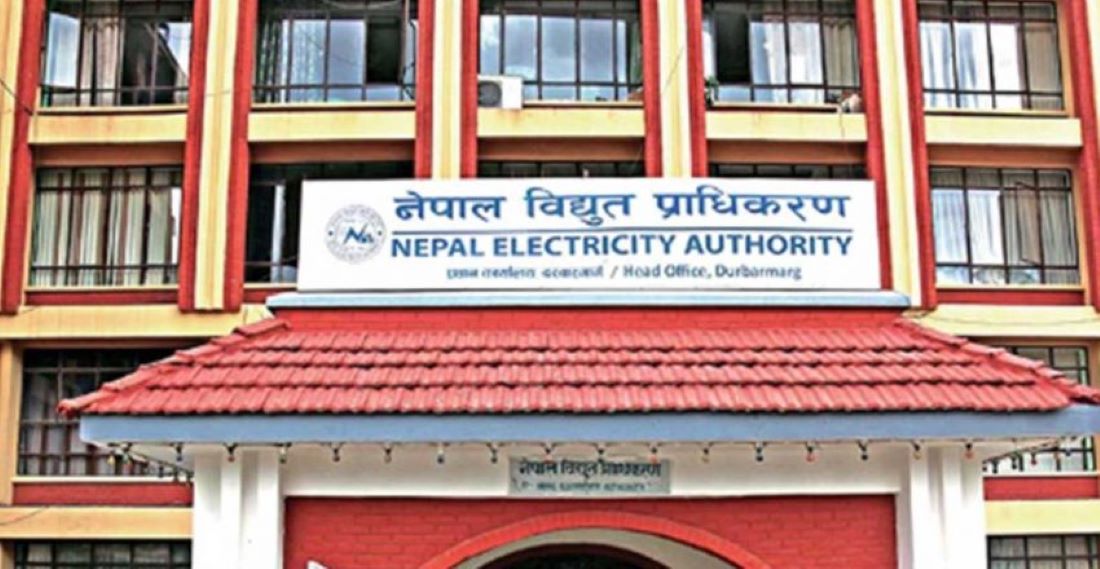
Kathmandu: The Nepal Electricity Authority has invited proposals from interested service providers with the aim of making electricity bill collection more convenient and efficient. The Authority has called on firms that operate or facilitate electronic payment systems to submit proposals for assisting in revenue collection.
According to the notice, applicants must submit proof of company registration and renewal, along with a license from Nepal Rastra Bank authorizing them as a payment service provider for electronic transactions. They are also required to provide tax clearance certificates up to the previous fiscal year, including income tax and value-added tax, as well as the company’s memorandum and articles of association. A self-declaration confirming that the applicant is not legally disqualified is also mandatory.
Applicants must submit a commitment letter to furnish a bank guarantee as specified by the Authority, and ensure that customers in remote areas can also pay electricity bills through electronic means. The proposed technology must guarantee the confidentiality and security of the Authority’s revenue data. Service providers must agree to deposit collected amounts into bank accounts designated by the Authority and offer maximum convenience through multiple payment channels.
In addition, service providers must submit details of at least five technically qualified personnel. Proposals should include the scope of work, details of service networks and agencies, integration with the Authority’s revenue system, and information on software and equipment to be provided.
The proposal must also outline coordination mechanisms with the Authority, procedures for collection, timelines for depositing collected funds, and measures to ensure their security. As per the Authority’s guidelines, customers paying up to Rs 500 must be provided services free of charge. For payments between Rs 501 and Rs 5,000, a maximum service fee of Rs 5 per transaction may be charged.
Similarly, customers paying between Rs 5,001 and Rs 10,000 may be charged up to Rs 8 per transaction, while payments above Rs 10,000 may incur a maximum service fee of Rs 10. Service providers must set their charges within these limits.
Selected service providers must appear to sign the agreement within 15 days of notification, along with a bank guarantee. A minimum bank guarantee of Rs 10 million must be issued by a Class ‘A’ commercial bank with a validity of at least one year. Daily collections must not exceed the guaranteed amount. Service providers will not receive any additional service fee from the Authority for collection.
In case of disputes between the service provider and the Authority, a dispute resolution committee will be formed under the chairmanship of a board-designated director. The committee will include the Deputy Executive Director, the Director of the Legal Department, a representative nominated by the service provider, and the Director of the Institutional Finance Department acting as member secretary.