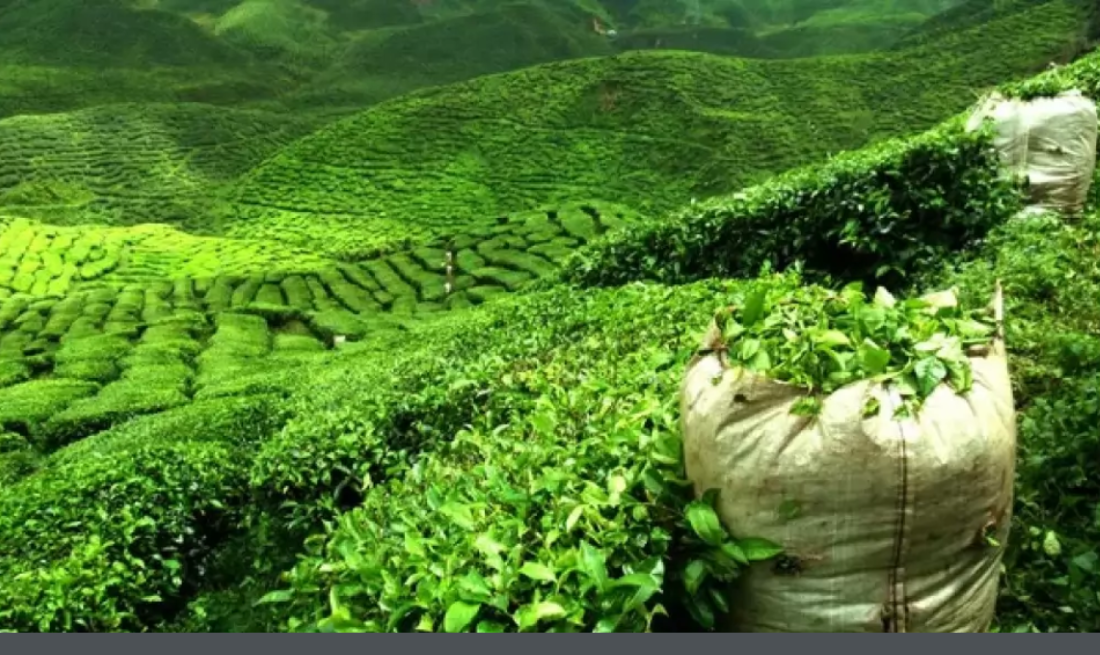
Kathmandu: Tea industries in eastern Nepal have begun shutting down one after another after India reportedly imposed an unofficial restriction on the import of Nepali tea. While 56 tea factories in Ilam ceased operations on June 15 (1 Asar), more than 30 tea processing industries and around two dozen tea estates in Jhapa have also completely suspended operations from today, June 18 (4 Asar).
According to the Nepal Tea Producers Association, the closures became inevitable after tea produced in the major tea-growing districts of Ilam and Jhapa accumulated in warehouses and the government failed to take effective diplomatic measures to resolve the issue.
Association President Aditya Parajuli stated that tea entrepreneurs were compelled to take this step after repeated appeals to government agencies yielded no response regarding the removal of the trade obstruction imposed by India.
With exports at a standstill, warehouses are filled with unsold processed tea, severely disrupting daily operations. Business owners say that the inability to sell their products has created a situation in which factories can no longer afford to pay the salaries of workers and staff.
The association has warned that the shutdown will continue until the export restrictions are lifted. Jhapa is Nepal’s largest tea-producing district, with annual tea trade valued at approximately NPR 12–14 billion, including both CTC and orthodox tea varieties. According to industry data, tea worth more than NPR 5 billion is exported to India each year.
As exports remain blocked and industries shut down, the livelihoods of approximately 60,000 workers, employees, and farmers who depend directly on the tea sector have been placed under serious threat.
Speaking in the House of Representatives on Wednesday, Minister for Industry, Commerce and Supplies, Gauri Kumari said that the government was pursuing diplomatic initiatives to remove the obstacles affecting the export of Nepali tea produced in Ilam and Jhapa to India.
Responding to lawmakers’ questions during discussions on the budget of the Ministry of Industry under the Appropriation Bill 2083, the minister also stated that the government had introduced special plans to ensure proper storage and effective marketing of domestic agricultural products, including tea and large cardamom.