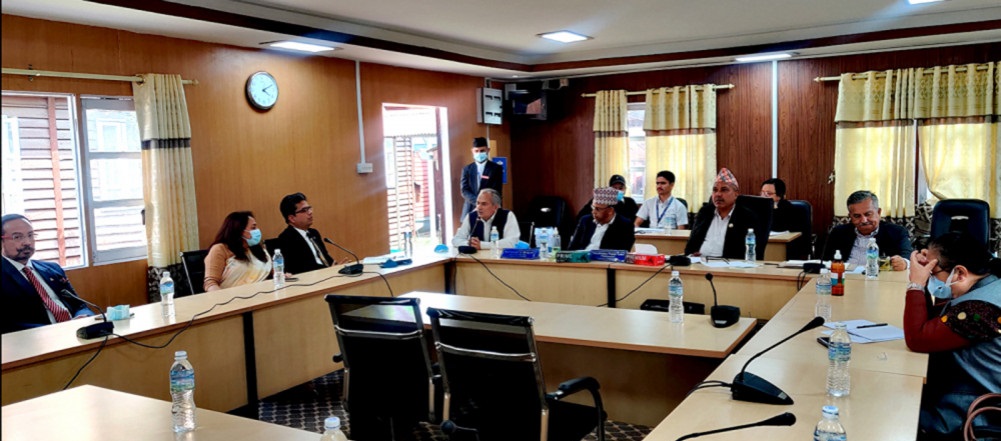
Kathmandu: Private sector representatives have urged the government to review the provision that restricts cash transactions above Rs 500,000, saying the rule has created operational challenges for businesses. The concern was raised during a program organized on the occasion of International Customs Day on Tuesday.
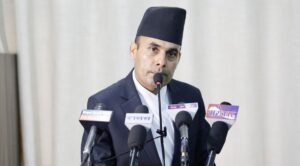
Finance Minister Rameshore Prasad Khanal attended the event, where major private sector umbrella organizations, including the Federation of Nepalese Chambers of Commerce and Industry (FNCCI) and the Nepal Chamber of Commerce (NCC), demanded a revision of the regulation that mandates all transactions exceeding Rs 500,000 to be conducted through banking channels.
FNCCI President Chandra Prasad Dhakal said the provision has particularly affected businesses operating in remote areas with limited access to banking services. He stated that the rule may have been introduced due to international pressure on Nepal and the central bank to comply with anti-money laundering standards amid concerns over grey-listing. Dhakal added that the government should now revise its economic policies to make the investment climate more business-friendly and strengthen the role of the private sector. He also pointed out that the hotel and tourism sectors are not receiving adequate incentives compared to other industries.
Similarly, Nepal Chamber of Commerce President Kamalesh Kumar Agrawal emphasized the importance of customs administration in promoting national economic growth and facilitating trade. He criticized some penalty provisions in the existing Customs Act as excessively strict and impractical. Agrawal also advocated for retaining a multi-rate Value Added Tax (VAT) system and suggested simplifying customs procedures for goods imported for wedding ceremonies, citing Nepal’s growing potential as a wedding tourism destination. He reiterated that the Rs 500,000 banking transaction threshold is creating difficulties for businesses.
Meanwhile, Customs Agents Association President Prachin Kumar Thaew stressed the need for a transparent and technology-driven customs system to control illegal trade, enhance revenue collection, promote foreign trade, and support overall economic growth.